




-

Indigenous Experiences in BC: 5 Stories Behind the Landscape
By Indigenous Tourism British Columbia
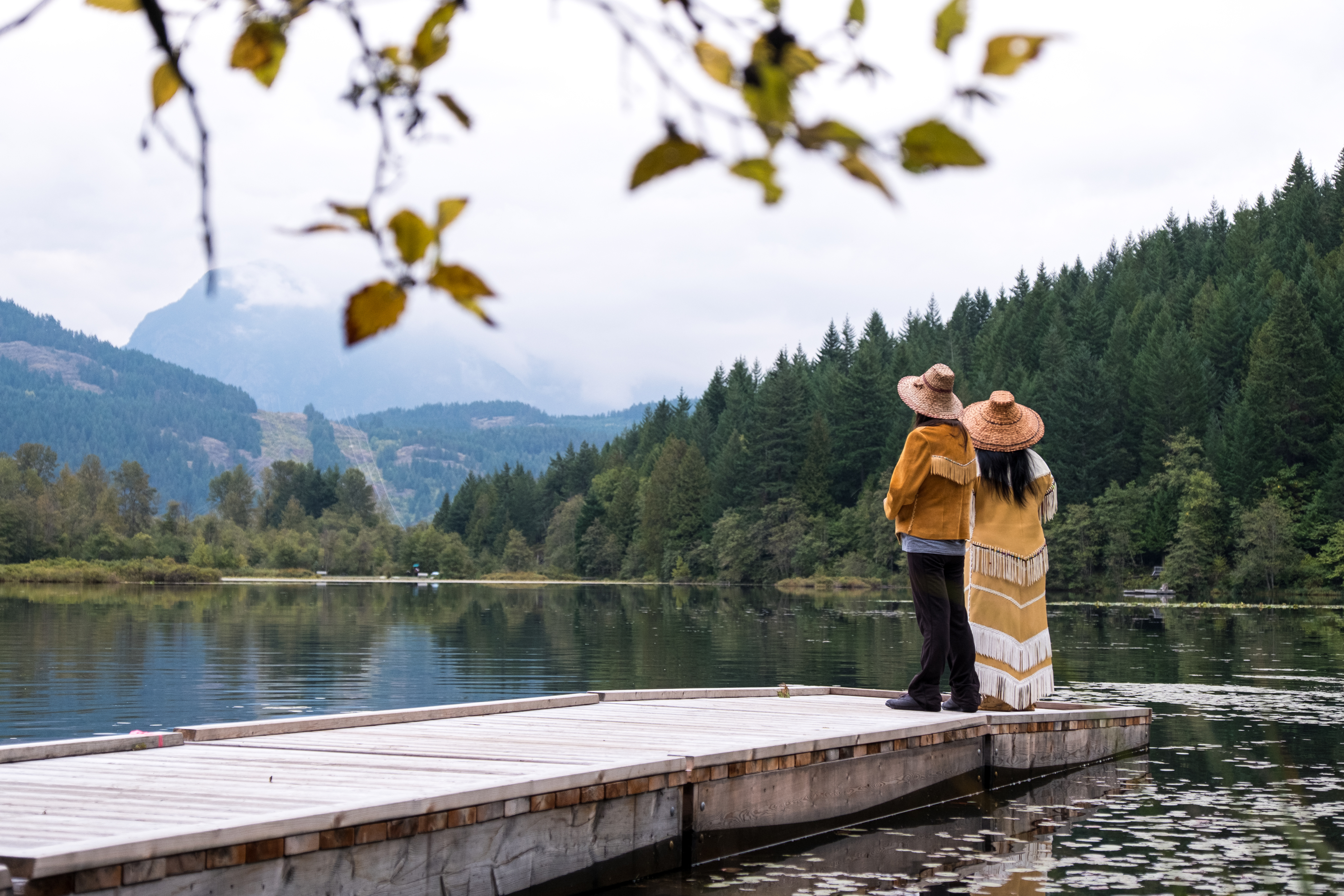
Across BC, mountains, rivers, coastlines, and volcanoes are more than breathtaking places to visit.
They are living landscapes shaped by thousands of years of First Nations’ knowledge, history, and cultures.
For generations, First Nations have shared oral histories that explain how these places came to be while passing on teachings about respect, relationships, and stewardship. Today, Indigenous tourism experiences in British Columbia offer visitors opportunities to learn these stories from the Nations who continue to care for these lands.
From Black Tusk and the Nisg̱a’a lava beds to Lhílheqey, Slhx̱í7lsh, and Ts’ilʔoŝ, these five Indigenous tourism experiences offer a deeper understanding of well-known landscapes and the living cultures that continue to shape them.
Learn the Indigenous stories and teachings connected to five landscapes in BC, including Black Tusk, the Nisg̱a’a lava beds, Lhílheqey (Mount Cheam), Slhx̱í7lsh (Standing Man), and Ts’ilʔoŝ, and find Indigenous-led experiences where you can learn more from the Nations connected to these places.
Experience #1
The Story of Black Tusk at the Squamish Lil'wat Cultural Centre
Why It Matters:
Rising above the Sea to Sky corridor, Black Tusk is one of the most recognizable landmarks in BC. For the Squamish Nation and Lil’wat Nation, it is far more than a volcanic peak. It represents a shared history, shared territory, and enduring relationships with the land.
Known as T’ak’t’akmu’y’in Tl’ain7iny’a’xe7en in Sḵwx̱wú7mesh Sníchim and Nq’el’qámtensa ti Skenknápa in Lil̓wat7úl Ucwalmícwts, Black Tusk is connected to the Thunderbird, whose actions caused the volcano to erupt. Following this event, both Nations were instructed that the Whistler valley would become a place for seasonal camps. Black Tusk became the landmark marking the beginning of their shared territory.
Experience It:
Visit the Squamish Lil’wat Cultural Centre in Whistler to learn how the Squamish Nation and Lil’wat Nation continue to share their histories, cultures, and connection to this place through exhibits, cultural programming, and Indigenous guides.
Experience #2
The Story of the Nisga'a Lava Beds
Why It Matters:
The dramatic lava fields in the Nass Valley in Northern BC tell both a geological and cultural story, revealing how Indigenous oral histories preserve memory, place, and teachings across generations.
The 90-kilometre Nisga’a Lands Auto Tour includes Anhluut’ukwsim Lax̱mihl Angwinga’asanskwhl Nisg̱a’a (Nisg̱a’a Memorial Lava Bed Park), formed during the most recent volcanic eruption in Canada approximately 300 years ago.
Nisga’a oral history tells of two children who mistreated salmon despite an Elder’s warning that disrespect would bring consequences. Soon, the earth shook, and lava flowed through the valley. As villages were engulfed, the powerful being Gwaxts’agat emerged and blew against the advancing lava until it cooled and stopped, then returned to the mountain, where the being is said to remain today.
Experience It:
Follow the Nisga’a Lands Auto Tour through the Nass Valley to experience 19 culturally significant sites where the landscape and Nisga’a history remain deeply connected.
Experience #3
Learn the Story of Lhílheqey (Mount Cheam)
Why It Matters:
Looking across the Fraser Valley, Lhílheqey is more than a striking mountain. For the Stólō, it is a guardian whose responsibility continues today.
Stólō Elders share that Lhílheqey was a woman who married Mount Baker before returning to her homeland along the Stólō (Fraser River) with her daughters and faithful dog. The Transformer, Xexá, turned her into stone and entrusted her with protecting the river, her people, and the salmon that continue to sustain them.
Experience It:
Stay at Fraser River Lodge on Cheam First Nation lands to take in panoramic views of Lhílheqey in Stólō lands.
Experience #4
The Story of Slhx̱í7lsh (Standing Man)
Why It Matters:
One of Vancouver’s most photographed landmarks is better understood through its Indigenous name and teachings than its colonial name.
Known to many visitors as Siwash Rock, Slhx̱í7lsh (Standing Man), also called Lhilhxí7elsh by the Squamish Nation, has long represented family, commitment, and transformation. The commonly used name “Siwash,” derived from the French word sauvage (“savage”) through Chinook jargon, is now recognized as derogatory.
According to Squamish teachings, an expectant father was purifying himself before his child’s birth when the Xáays (Transformer Brothers) recognized his devotion and transformed him into stone. His wife, S7ens, and child were also transformed and remain beneath the Lions Gate Bridge at the First Narrows of Burrard Inlet.
Experience it:
Join Talaysay Tours for an Indigenous-guided walk through Stanley Park in Vancouver to learn how the histories, languages, and living traditions of the xʷməθkʷəy̓əm (Musqueam), Sḵwx̱wú7mesh (Squamish), and Səl̓ílwətaʔ/Selilwitulh (Tsleil-Waututh) Nations continue to shape this place today.
Experience #5
Ts'ilʔoŝ Through Tŝilhqot'in Teachings
Why It Matters:
In the heart of Tŝilhqot’in Title Lands, Ts’ilʔoŝ is a sacred mountain where landscape and cultural teachings are inseparable.
According to Tŝilhqot’in oral history, Ts’ilʔoŝ was once a man who lived near Xeni Biny (Konni Lake). After separating from his wife, ?eniyud, each remained with three of their children before both parents and children were transformed into the mountains overlooking their respective valleys. Visitors are respectfully asked not to point at either mountain, as doing so is believed to bring bad luck.
Experience It:
Visit Nemiah Valley Lodge in the Cariboo Chilcotin Region to experience sweeping views of Ts’ilʔoŝ while learning about the enduring relationship between the Tŝilhqot’in people and their lands.


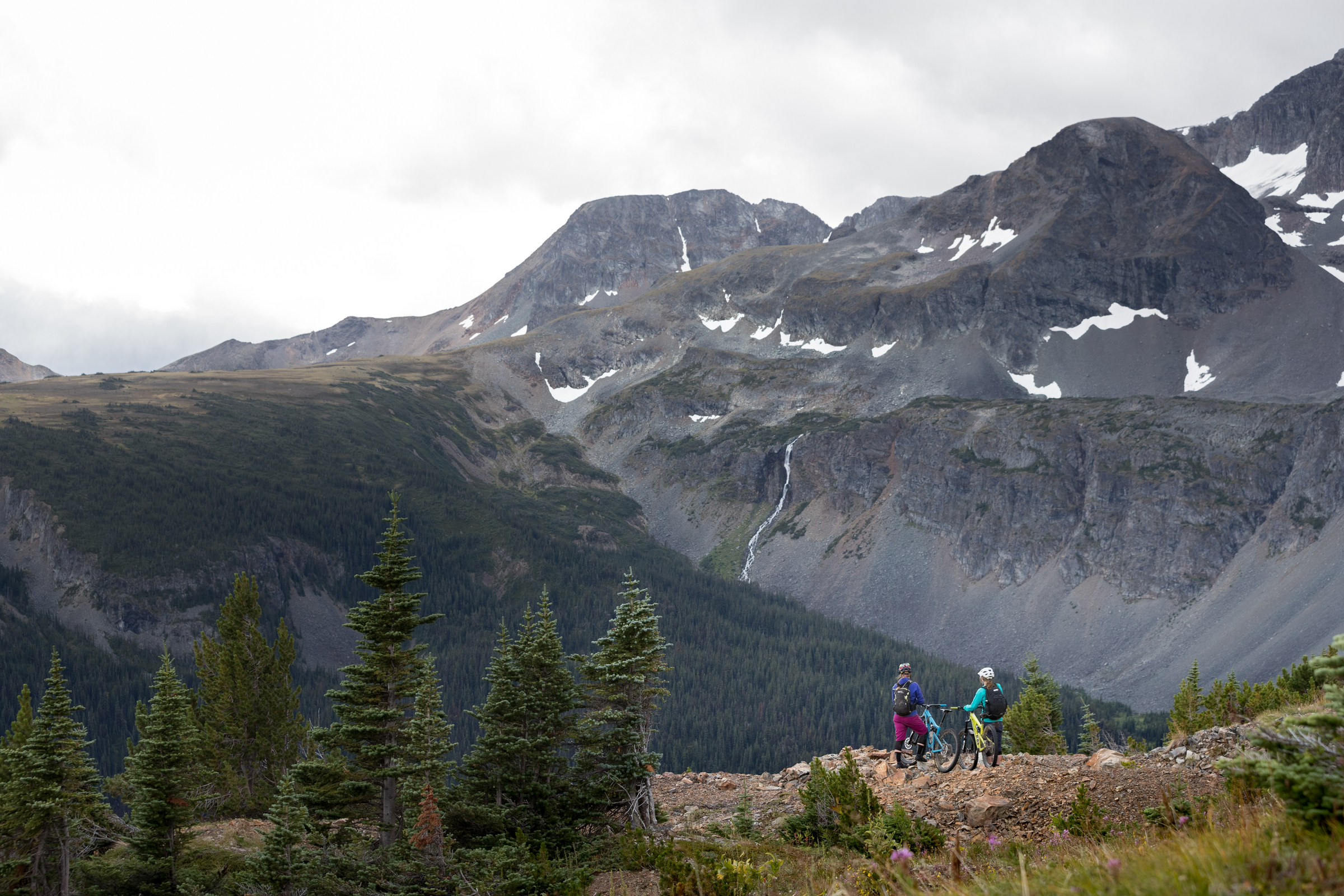
Experience the Landscape Through Indigenous Perspectives
Learn from the Nations connected to these lands through Indigenous-owned and Indigenous-led experiences that share stories, cultures, and connections to place.
Across BC, mountains, rivers, volcanoes, and coastlines hold stories that continue to be shared by the First Nations who have cared for these lands since time immemorial.
These Indigenous tourism experiences offer more than remarkable places to visit. They provide opportunities to learn from Indigenous knowledge, deepen your understanding of the landscapes around you, and support Indigenous-owned tourism businesses that continue to share living cultures, histories, and traditions with visitors from around the world.