background image

For First Nations, Inuit, and Métis people living in British Columbia, winter is a time of rest and reflection.

 The season reminds everyone to slow down, engage with their community, and care for their spirits. Coastal Indigenous Peoples moor their canoes and boats, pack up fish and spend more time inland. In the Interior, harvests and hunts from the previous seasons are prepared and shared through warming meals. Wellness is the steady practice of going outside while it’s light, reading, gathering with others over food, music, dance or conversation, and keeping creative hands busy.

Across BC, winter unfolds in many ways, and these Indigenous-owned cabins, lodges, and resorts offer unique places to experience it.


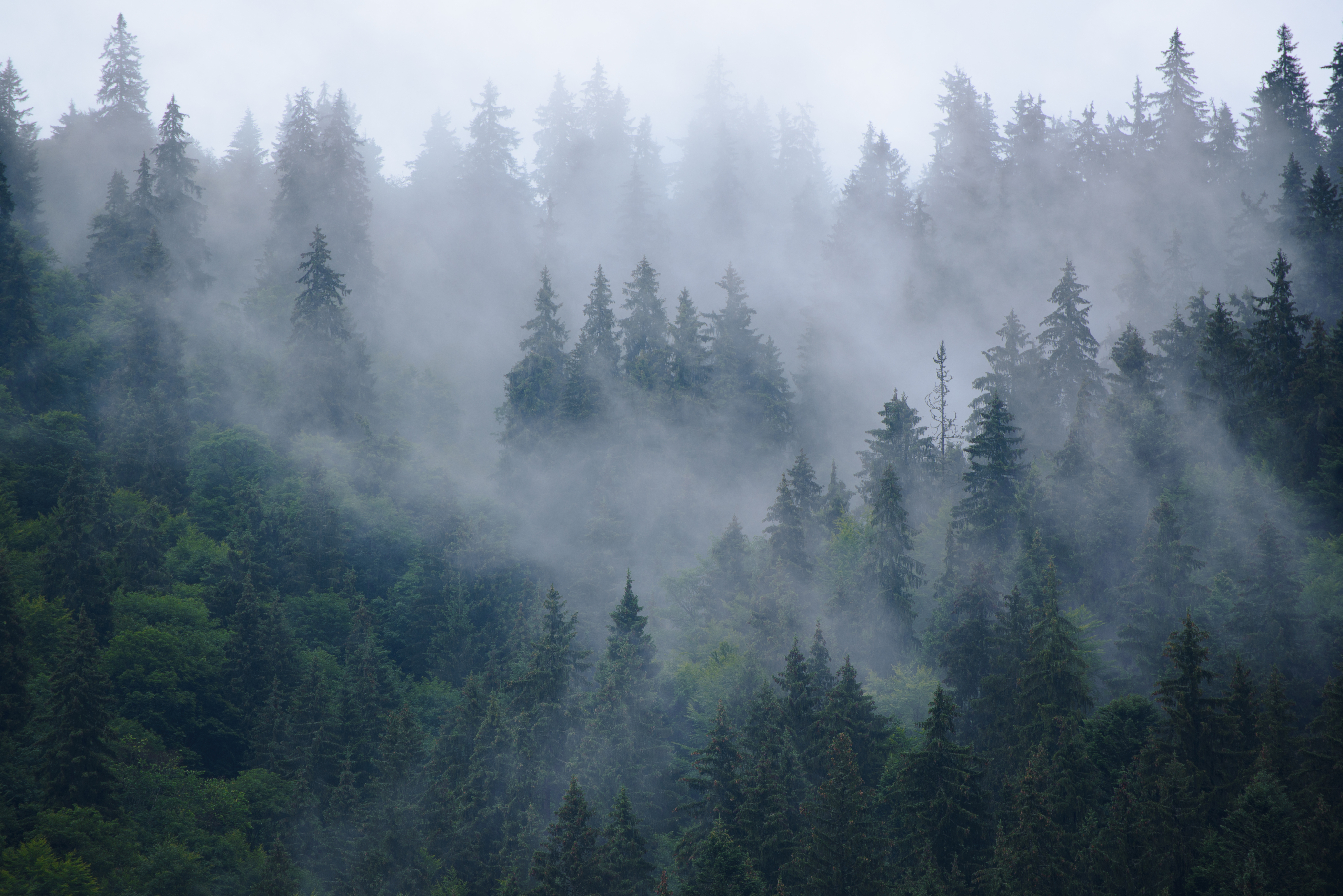
Mountain range in BC, with areas of snow and moody fog

Winter in Many Languages

Cold and Fire
First Nations speak of winter in many different ways. According to FirstVoices, tum’xuytl’ means winter in the Island Hul’q’umi’num’ language on Vancouver Island. In the Vancouver Coast and Mountains area, the Upper Stó:lō Halq’eméylem language describes winter as temxeytl’ or “cold time.” The Ktunaxa language marks the season with k’an ’et, “it is now winter.” When snow falls deep, the Dakelh-Carrier people say k’an khi dube tsil dincha suli. The people of the Nisg̱a’a Nation speak of bird migrations with Dihlaa maadim, ii hak’sim huxw gisiliibaykwdiit geets’, meaning “in the winter, they fly south again.” Time is spent by qwen or fire in the Tsilhqot’in-Xeni Gwet’in language, and through gatherings at places like a sn̓tr̓qmin̓, a n̓səl̓xčin/n̓syilxčn̓ Syilx phrase for a ceremonial space where winter dances are held. 

Fog hanging in trees along Highway 99 Sea to Sky Highway

Lowlands and Snowline

Vancouver Coast & Mountains

Winter shifts quickly across this region. Urban communities experience soft rain, milder days, and evergreen streets, while areas closer to the Fraser River carry moodier low clouds, more rain and fresh snow in the mountains. This interplay between water, forest, and mountain informs how people move and plan their days.

inside cabin at Hitching Post Motel

The Hitching Post Motel

In Ts̓zilMount Currie, in the Territory of the Lil’wat Nation, The Hitching Post Motel sits between Pemberton and Whistler on forested lands. There is a mix of rooms, cabins, and small cottages with kitchenettes, steady heat, and quiet surroundings to make this a comfortable place to escape the Whistler-area rush and settle into a softer side of the valleys.

Exterior of Fraser River Lodge in Agassiz, BC during a light snowfall

Fraser River Lodge

Along the Fraser River near Agassiz, Fraser River Lodge is located on the long-held Territory of the S’ólh Téméxw (Stó:lō) and owned by Xwchíyò:m – Cheam First Nation. Many of the lodge’s luxury suites and chalets provide the coziest of stays with fireplaces, heated floors, and full kitchens that make it easy to settle in after quiet river walks, hiking on nearby winter trails, and enjoy an evening campfire with s’mores. February and March are prime sturgeon fishing season on the Fraser River, if you’re keen to meet this enormous and ancient fish that is of significant cultural and environmental importance to local Nations.

Spacious and pristine guest room at Sqewqel Harrison Grand Motel, located downtown in Harrison Hot Springs. This room has a spectacular view of Harrison Lake.

Harrison Grand Motel

At Harrison Hot Springs, the Harrison Grand Motel is owned by the Sq’éwqel First Nation and located just steps from qwáol’sa or Harrison Lake in the Ucwalmícwts – Lower Lillooet People’s language. In winter, the community slows to a quieter pace and shakes off the chill with a dip in nearby mineral hot springs. The motel also works well for a simple base for lakeshore walks and short valley drives.

Snow capped mountains with fall leaves on trees along Highway 95 in the Kootenay Rockies region of British Columbia

Ski and Steam

Kootenay Rockies

Snow settles deep on big mountains and plunging valleys here, while hot springs rise from the rock. Winter rhythms in the Kootenay Rockies play between ski hills, forest trails, and comfort food. Evenings gather people back to pools, lodges, and quiet corners.

Luna Lodge in snow in the winter at Alpha Mountain Lodging

Alpha Mountain Lodging

Close to Revelstoke and its ski resort, Alpha Mountain Lodging is located on the Traditional Territories of the Sinixt, Secwépemc Nation, Syilx Okanagan Nation, and Ktunaxa Nation, at the base of Boulder Mountain, on 25 forested acres. Family- and Métis-owned and Biosphere Certified, Alpha’s fully equipped private lodges and cedar-barrel sauna give you all the warmth you need. The on-site Kihîw or eagle in Cree) Nature Trail, a one-kilometre interpretive loop, remains open for winter snowshoeing and looking for wildlife tracks.

Ainsworth Hotsprings Resort hot pool and cloudy sky with people enjoying the warmth

Ainsworth Hot Springs

Moving south towards Kootenay Lake, Ainsworth Hot Springs rises directly from rock on the territory of the Yaqan Nukiy, Lower Kootenay Band. These spirit waters have been a part of this place for thousands of years. The hot cave and outdoor pools blend cold mountain air with warm water and total relaxation, and the on-site hotel’s lakefront rooms are just steps from the pools.

The exterior of St. Eugene Resort in the snow in the winter season

St. Eugene Golf Resort & Casino

Farther east on the Territory of the Ktunaxa Nation near Cranbrook, St. Eugene Golf Resort & Casino brings a warm heart to a cold season. Once a residential school site, now reclaimed and operated under Ktunaxa leadership, the resort also has an Interpretive Centre that shares Ktunaxa heritage and history. Although the championship golf course is closed, the heated pools, dining,  on-site casino, and nearby ski hills remain open.

A herd of bison standing in the snow with a mountain backdrop in Northern BC along the Alaska Highway

Scale and Stillness

Northern British Columbia

In Northern BC, winter moves across vast landscapes. Distance matters, conditions change quickly, and good planning is essential. The long-distance journey is part of the deep North experience, which rewards prepared travellers with a profound stillness and the sincere warmth of Northern hospitality. In this region, comfort gathers where people do, after long drives and short daylight hours.

The Dunne Za Lodge, on Moberly Lake in northeast BC. Cabin patio, looking out on to green space and waterfront.

Dunne-Za Lodge

At Moberly Lake outside of Chetwynd, Dunne-Za Lodge on West Moberly First Nations Territory adds another winter lakeshore stay to a region shaped by countless lakes. Small cabins with pellet stoves and full kitchens help you get toasty, as the lake freezes and moose, snowshoe hare and songbirds gather along the open edges.

Sunset sky and the exterior of the Sikanni River Ranch

Sikanni River Ranch

Along the Sikanni Chief River, north of Fort St. John, Sikanni River Ranch is situated within the Traditional Territory of the Prophet River First Nation, who are part of the Dene Tsaa Nation. The river has long been a lifeline here, shaping travel routes, seasonal harvesting, fishing, hunting, and gathering across the boreal forest and surrounding foothills. Now owned and operated by the Prophet River First Nation, the ranch offers special log cabin living. There are a few snowmobiles to rent, a wood-fired sauna and if you bring your own snowshoes or Nordic skis, plenty of snow and space to explore. On clear nights, look to the skies – Ancestors may be dancing in the Northern Lights.

Cozy room with two double beds at Arctic Divide Lodge

Arctic Divide Lodge

Further north and west, at Dease Lake along the Stewart-Cassiar Highway, Arctic Divide Lodge offers a small pocket of shelter within an immense winter landscape. On Tahltan Nation Territory, just beyond the lodge, the Pacific–Arctic watershed divide marks where rivers begin their long paths northward. In winter, log cabins and chalets feature small kitchens for preparing family meals, fireplaces to relax in front of, hefty duvets to curl up under, and plenty of time and space to gather the stories of your time along the Divide.

Fog, mist, and ocean waves in Ucluelet, BC, during storm watching season.

Storms and Shelter

Vancouver Island

Winter on Vancouver Island feels more like rain, wind, and changing light than a deep cold. Storm systems roll in from the Pacific, bringing dark skies, huge, crashing waves, and wind-battered forests, while higher elevations like Mount Washington have plenty of snow for alpine fun. Along the coast, the quieter season draws people into sheltered inlets, working harbours, and unfussy rooms where storms and winter quiet are the draw.

A cabin surrounded by trees and forest on Vancouver Island Cabins at Fair Harbour Marina & Campgrounds

Cozy Cabin Stays

On the quieter east side of the Island at Nanoose Bay, Snaw-Naw-As Campground from the Nanoose First Nation has a few waterfront cabins overlooking the Salish Sea.  Farther north, within the Territory of the Ka:’yu:’k’t’h’/Che:k’tles7et’h’ First Nations, the cabins at Fair Harbour sit deep in Kyuquot Sound. Access to Fair Harbour is by road or by water, and for both properties, walking and safe coastline exploration are part of the draw.

S'mores on outdoor fire pit outside cabins at Indigenous-owned Niche Winery in West Kelowna BC

Sunlight and Firelight

Thompson Okanagan

The Thompson Okanagan is known for dry, cold conditions and clear days. Frozen lakes, wide interior skies, and steady snow up the mountains make planning daytime activities easy. Evenings tend towards “rest, relax and replenish” in snug cabins or at a great meal with local wines.

Exterior of a Tunkwa Lake Resort cabin in the dark with a starry night sky

Tunkwa Lake Resort

Fish all year-round at Tunkwa Lake Resort, an hour from Kamloops. The lake is a great ice-fishing spot for rainbow trout and for spotting winter wildlife. Owned by the Lower Nicola Indian Band, the resort has basic and log cabins with wood stoves and kitchens, and centrally heated shower buildings serving all sites. Winter access is via rural, snow-covered roads, and cell service can be limited, but the trip is rewarded with fresh fish to take home if you’re lucky.

Niche Winery accommodations at night, West Kelowna, B.C

Niche Wine Company

On the western slopes above Kelowna, Niche Wine Company settles into seasonal stillness once vines go dormant. Located on the traditional tm̓xʷúlaʔxʷ (land) of the Syilx / Okanagan People, Niche’s Outside Inn Cabins are welcoming in the winter.  Work slows across the farm, but cabins are warm hubs for quiet mornings, long baths, warm coffees and longer views over the valley. Wine tastings and plenty of nearby activities deliver winter in a bottle.

Person dressed in a red toque, blue winter jacket and green snow pants raising arms in the air while snowshoeing on Nimpo Lake

Fields, Frost, and Fjords

Cariboo Chilcotin Coast

There are three sides to a Cariboo Chilcotin Coast winter. The southern Cariboo enjoys dry, cold, and frozen lakes. The Chilcotin plateau experiences deeper cold, and along the Coast, rain, storms, and mist move through temperate valleys and fjords.

Retasket Lodge at night time, with cars parked out front and trees in the background

Retasket Lodge and RV Park

In Lillooet, river-sculpted mountains, life-sustaining waterways, and arid valleys define the landscapes and seasonal rhythms of the St’át’imc Nation and its member communities. The T’it’q’et Nation stewards the Retasket Lodge and RV Park, a 20-room motel and an 8-site RV park located above the valley, providing a restful, comfortable base for enjoying the quiet beauty of winter in this land of contrasts.

Exterior of Lil'Tem Mountain Hotel lodge and parking lot in Seton Portage with snow capped mountains in the background

Lil’tem’ Mountain Hotel

Tucked between Anderson and Seton Lakes in Seton Portage, Lil’tem’ Mountain Hotel rests on the Traditional Territory of the Tsal’alth Band of the St’át’imc Nation, also known as the People of the Lake. About four hours from Vancouver or Kamloops, the hotel and self-contained cabins are open through the cold months with full kitchenettes and steady heat, offering direct access to snow-quieted lake and forest landscapes.

Exterior of Shearwater Resort on a cloudy day with ocean and shore visible

Shearwater Resort and Marina

Farther northwest on tiny Denny Island, Shearwater Resort and Marina operates within Heiltsuk Nation territory in the Great Bear Rainforest, the world’s largest coastal temperate rainforest. Even in summer, the journey here requires a flight, ferry, or water taxi, and in winter that journey becomes part of the experience.  At Shearwater, grab a bite at the bar and grill, stormwatch as channel winds move through the inlet, go for walks along trails, then settle into lodges, K̓ál̓ílas Hotel rooms or family vacation homes.